

REAL SIMPLE – Maintaining a positive attitude as well as “exercising, having a strong sense of community, and avoiding smoking are other key factors to improving longevity,” says Amy Davis, RDN.
In addition, here are eight foods researchers have identified as diet staples for centenarians:
Legumes
“One of the top foods amongst centenarians is legumes, which are rich in fiber and provide plant-based protein,” Davis explains. “Fiber-rich foods are thought to help control cholesterol and blood sugar, as well as lower the risk of chronic diseases like cancer and heart disease.”
Legumes encompass beans, peas, and lentils. So, regardless of whether you typically reach for chickpeas, black beans, red lentils, snap peas, or otherwise, all of them will help promote longevity.
Nuts and Seeds
“Nuts, which are full of vitamins, minerals, and unsaturated fats, are also staples in centenarians’ diets,” says Davis, “Nuts are associated with reduced risk for heart disease and inflammation, likely due to their rich antioxidant content.”
Given that seeds have a similar nutritional composition to nuts, they also elicit similar longevity benefits.
Tea
Whether it’s green, black, herbal, caffeinated, or decaf, tea is one of the top beverages among Blue Zoners. This is likely thanks to the multitude of antioxidant-rich plant compounds it contains.
In fact, tea consumption has been shown to support immune, heart, gut, brain, and metabolic health.
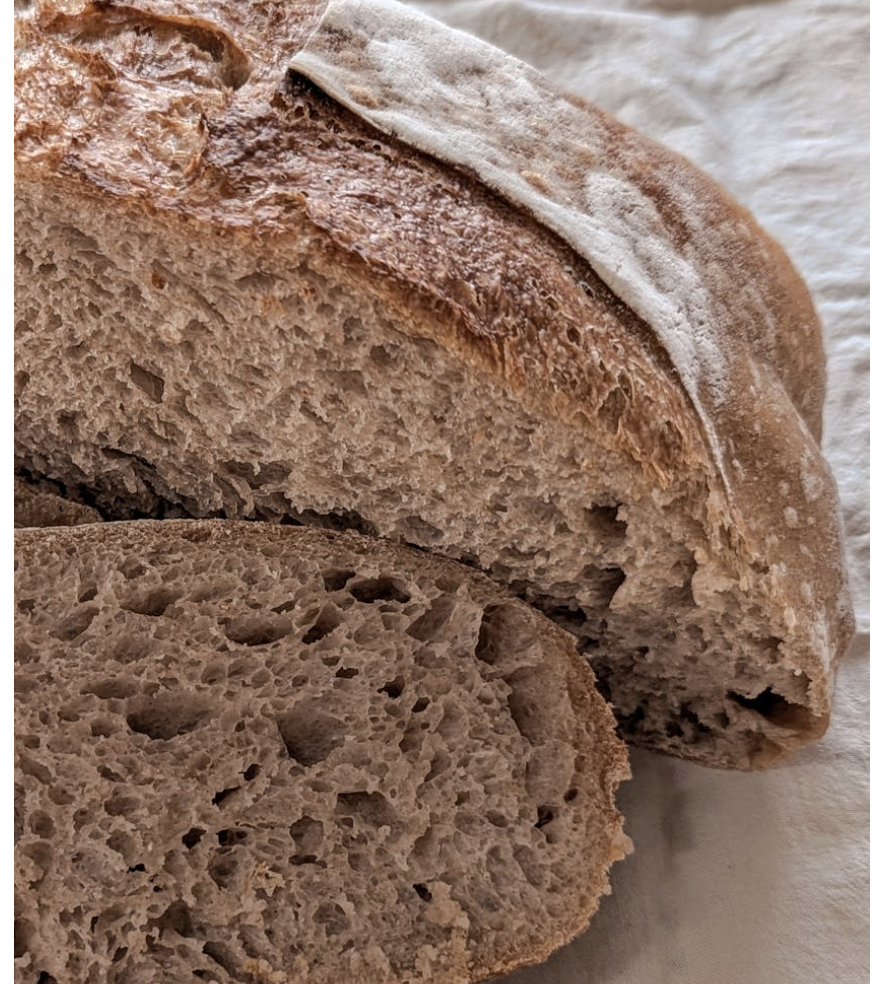
Whole Wheat Sourdough Bread
Whole wheat sourdough bread combines a few common food trends seen across centenarians.
“Whole grains are another common denominator of centenarians. They are rich in fiber, minerals, and B vitamins, especially when compared to their white, refined counterparts,” explains Davis, “Eating whole grains is associated with a lower mortality risk from cardiovascular disease and cancer” …