

What Is Prediabetes?
It’s when your blood sugar is higher than normal, but not high enough to be called diabetes. You won’t necessarily notice any symptoms — you can have it and not know it. A simple blood test can tell you if you do.
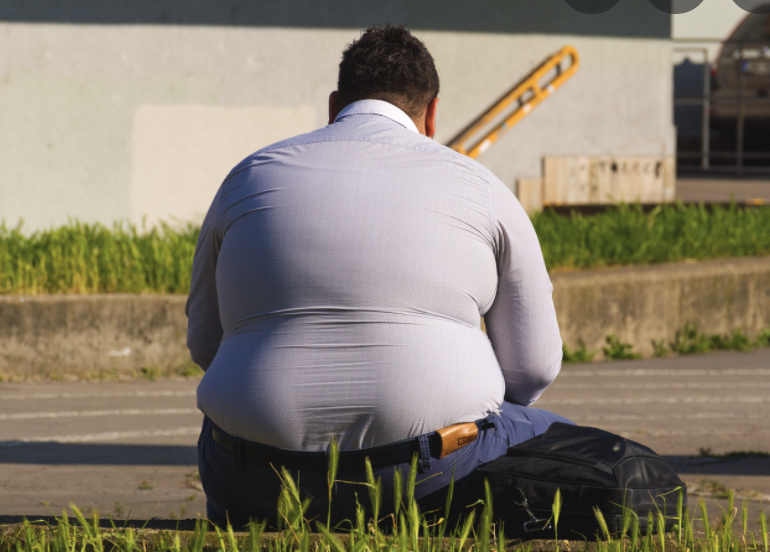
You’re at risk if you’re overweight, over 45, and you don’t exercise. It makes you more likely to have type 2 diabetes and heart disease, but you can take steps to change that.
Lose Weight
It doesn’t have to be a lot. If you lose just 7% of your body weight, it can make a huge difference (that’s only 14 pounds for a 200-pound person).
The first step is to eat healthier food with fewer calories. Start by keeping track of your weight, eating habits, and physical activities.
Eat Healthy
A good rule of thumb is to fill half your plate with non-starchy vegetables (asparagus, Brussels sprouts, and carrots, among many others). One quarter should have starchy foods (like potatoes, corn, or peas).
The remaining quarter should be protein — chicken, fish, or beans are best. Be extra careful with carbs like baked goods or pasta — they can raise your blood sugar.
PREVIOUSLY ON HEADLINE HEALTH: This after-dinner activity went viral for helping you ‘age wonderfully’ – Does it work?
Exercise
You’ll lose weight faster and feel better if you get out and burn more calories. You don’t need to train for a marathon: A brisk 30-minute walk five times a week should do the trick.
A workout buddy can sometimes help you stick to a routine, so call a friend or join a gym and make some new ones. Aerobic exercise (walking, swimming, dancing) and strength training (weight lifting, pushups, pull-ups) are both good. A little of both is best.
Get Your ZZZs
The right amount of shut-eye helps keep your blood sugar at healthy levels. If you can’t stay asleep, wake up too early, or get less than 5 hours a night, you’re more likely to get diabetes …