

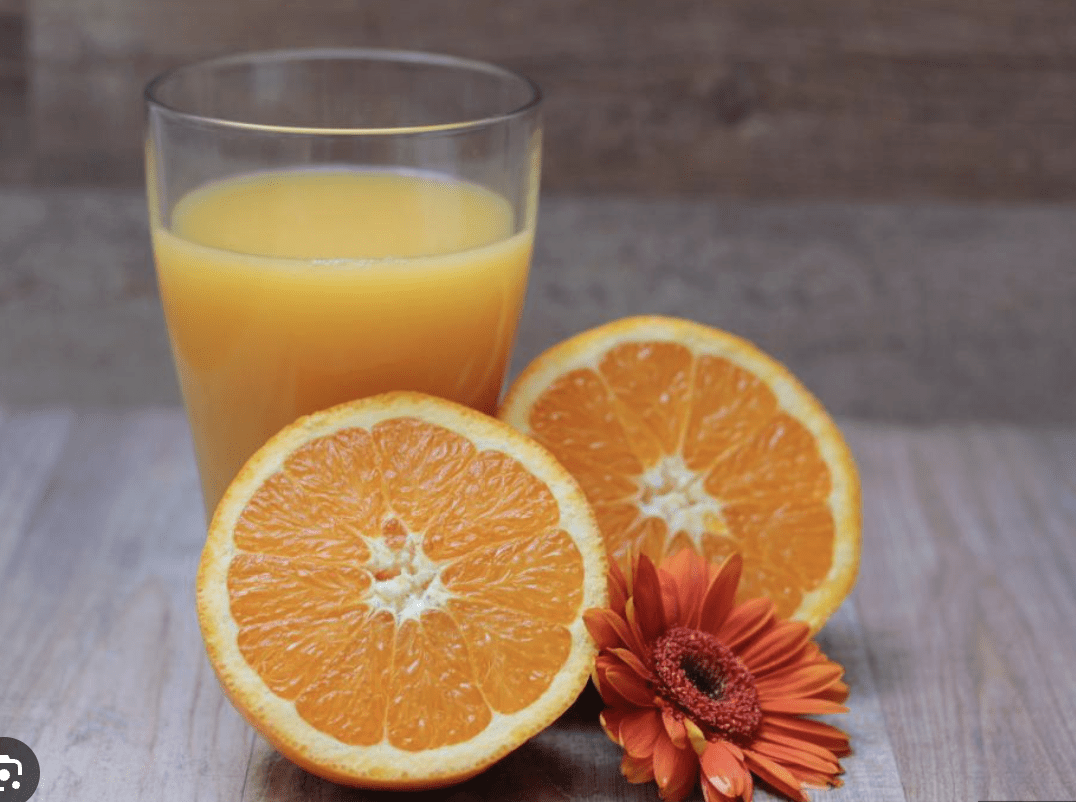
EURO NEWS – A recent study found that regular consumption of orange juice changes the way thousands of genes in our immune cells work.
A significant number of these genes are involved in mechanisms that regulate blood pressure, reduce inflammation and control sugar metabolism. These are critical processes for long-term cardiovascular health.
David C. Gaze, Senior Lecturer in Chemical Pathology at the University of Westminster, writing in The Conversation, explained the changes that orange juice consumption causes in the human body with examples from research.
In recent research, adults drank 500 ml of pure pasteurised orange juice every day for two months.
At the end of 60 days, inflammation-related genes which are activated during stress, were found to be less active.
One gene, which affects the kidneys’ capacity to retain sodium, also showed lower activity. These changes are in line with previous findings showing that regular consumption of orange juice lowers blood pressure in young adults.
The antioxidant and anti-inflammatory properties of the flavonoid hesperidin in oranges have long been recognised. The new study also shows that processes such as high blood pressure, cholesterol balance and sugar metabolism are influenced by this natural component.
Body type also modifies the response. Genes related to fat metabolism were more affected in overweight individuals, while inflammation-related genes showed more pronounced changes in leaner participants.
According to an analysis of 15 controlled studies involving 639 people, regular consumption of orange juice can reduce insulin resistance and LDL cholesterol. Insulin resistance is a key indicator of pre-diabetes, while high cholesterol increases the risk of heart disease.
In another study involving overweight participants, several weeks of daily orange juice consumption slightly lowered systolic blood pressure and increased levels of HDL, known as good cholesterol.
Although these changes may seem small, they can have a significant impact on heart health over the years …