

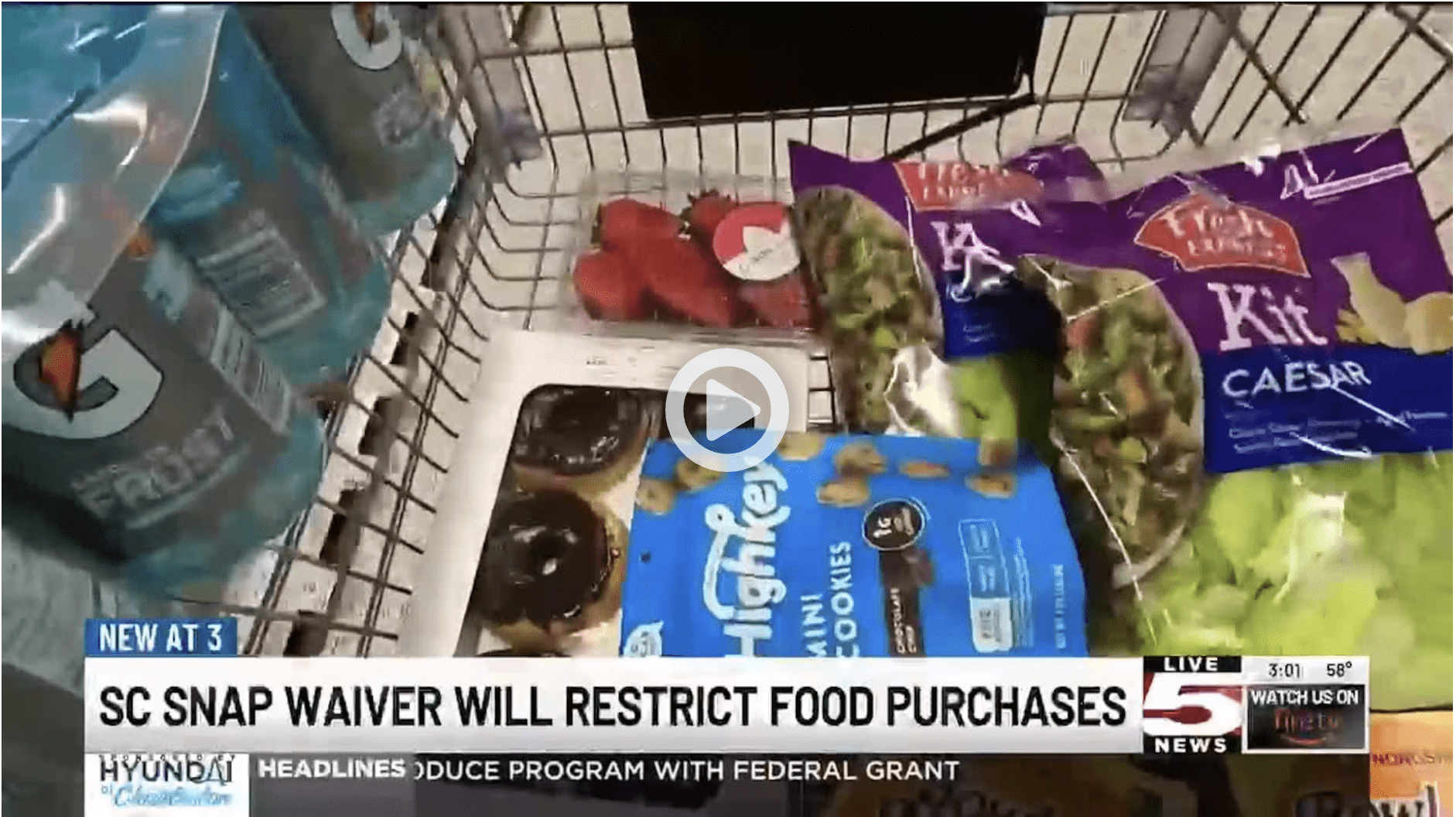
KFF HEALTH NEWS – Hawaii, Missouri, North Dakota, South Carolina, Virginia, and Tennessee have agreed to restrict SNAP recipients from purchasing certain sugary drinks and food. The total number of states with restrictions is now 18.
Axios: Trump Administration Bans SNAP Junk Food Purchases In 6 More States
Six more states agreed Wednesday to ban the use of Supplemental Nutrition Assistance Program (SNAP) benefits for junk food under new deals with the Trump administration.
The move expands the Trump administration’s use of the federal safety net to expand its Make America Healthy Again agenda. More SNAP recipients will be restricted from buying certain sugary drinks and food. (Rubin, 12/10)
Bloomberg: RFK Jr. Says National Food Standard Under Discussion With Industry Groups
Health Secretary Robert F. Kennedy Jr. signaled that he was open to a national food standard, a top priority for food companies trying to navigate proliferating state laws. “It is on the table for discussion,” Kennedy said in an interview Wednesday at the US Department of Agriculture with Secretary Brooke Rollins. (Peterson, 12/10)
More Trump administration updates —
Bloomberg: US, Uganda Sign $1.7 Billion Health Funding Agreement Under Aid Shift
The US and Uganda have agreed on a $1.7 billion health financing, part of a program that seeks to wean African nations off aid. The funds forms part of the US State Department’s longer-term America First Global Health Strategy, which promotes the procurement and distribution of goods from US companies in the administration’s foreign assistance programs. (Ojambo, 12/10)
In 2026, the Trump administration will require U.S. cancer registries that receive federal funding to classify patients’ sex as male, female — or not stated/unknown. That last category is for when a “patient’s sex is documented as other than male or female (e.g., non-binary, transsexual), and there is no additional information about sex assigned at birth,” the new standard says.
LGBTQ+ health advocates say that move in effect erases [so-called] transgender and other patients from the data. They say the data collection change is the latest move by the Trump administration that restricts health care resources for LGBTQ+ people. (Pradhan, 12/11)
Stat: Postscripts: Follow-Ups From A Year Of Research Cuts
Over the course of 2025, STAT interviewed scientists, patients, university administrators, federal health workers, and others whose lives were disrupted by the Trump administration’s spending cuts, frozen and terminated grants, layoffs, and more.
They included a young researcher suddenly worried about finding a job, a cancer patient confronted with a treatment delay, an Air Force veteran who’d lost her position at the Food and Drug Administration, and an epidemiologist who began tracking National Institutes of Health grant terminations, only to have his own funding cut. We caught up with them in recent weeks to hear what has happened since we last spoke. Here are their stories. (12/11)
The Trump administration says it will speed cleanups, but residents of the largest residential lead Superfund site worry fewer properties will be remediated. (Bowling, 12/11)
The New York Times, attacked by President Donald Trump for reporting about his physical condition, said on Wednesday that it wouldn’t be deterred by “false and inflammatory language” that distorts the role of a free press. The president had posted on his Truth Social platform that he believed it was “seditious, perhaps even treasonous” for the Times and other media outlets to do “FAKE” reports on his health. (Bauder, 12/10)
This is part of the Morning Briefing, a summary of health policy coverage from major news organizations. Sign up for an email subscription.