

DEAR MAYO CLINIC: I’m confused about prebiotics and probiotics. Could you help me understand what they are and how they could benefit my health?
ANSWER: You’re not alone in wondering about the health benefits of prebiotics and probiotics. Even the names can be confusing.
The human gastrointestinal tract houses roughly 100 trillion microorganisms (good bacteria). These microorganisms make up what’s called the gut microbiome.
Probiotics: Promoting digestion, benefiting health
Let’s start with probiotics. Probiotics are living organisms, also known as microbes. They’re primarily bacteria and yeast whose main role is to aid digestion and improve overall health. Probiotics help strengthen the gut barrier, aid in the absorption of nutrients, and replace less beneficial or harmful microbes.
Research shows that probiotics can treat and even prevent conditions such as gastrointestinal (GI) tract infections, irritable bowel syndrome (IBS), lactose intolerance, allergies, cystic fibrosis, urogenital infections, diarrhea, high cholesterol, eczema and certain cancers.
Probiotics also may support dental health by treating and preventing tooth decay, periodontal disease and bad breath.
In addition to aiding digestion, another essential role of probiotics is promoting a healthy immune system and preventing chronic diseases.
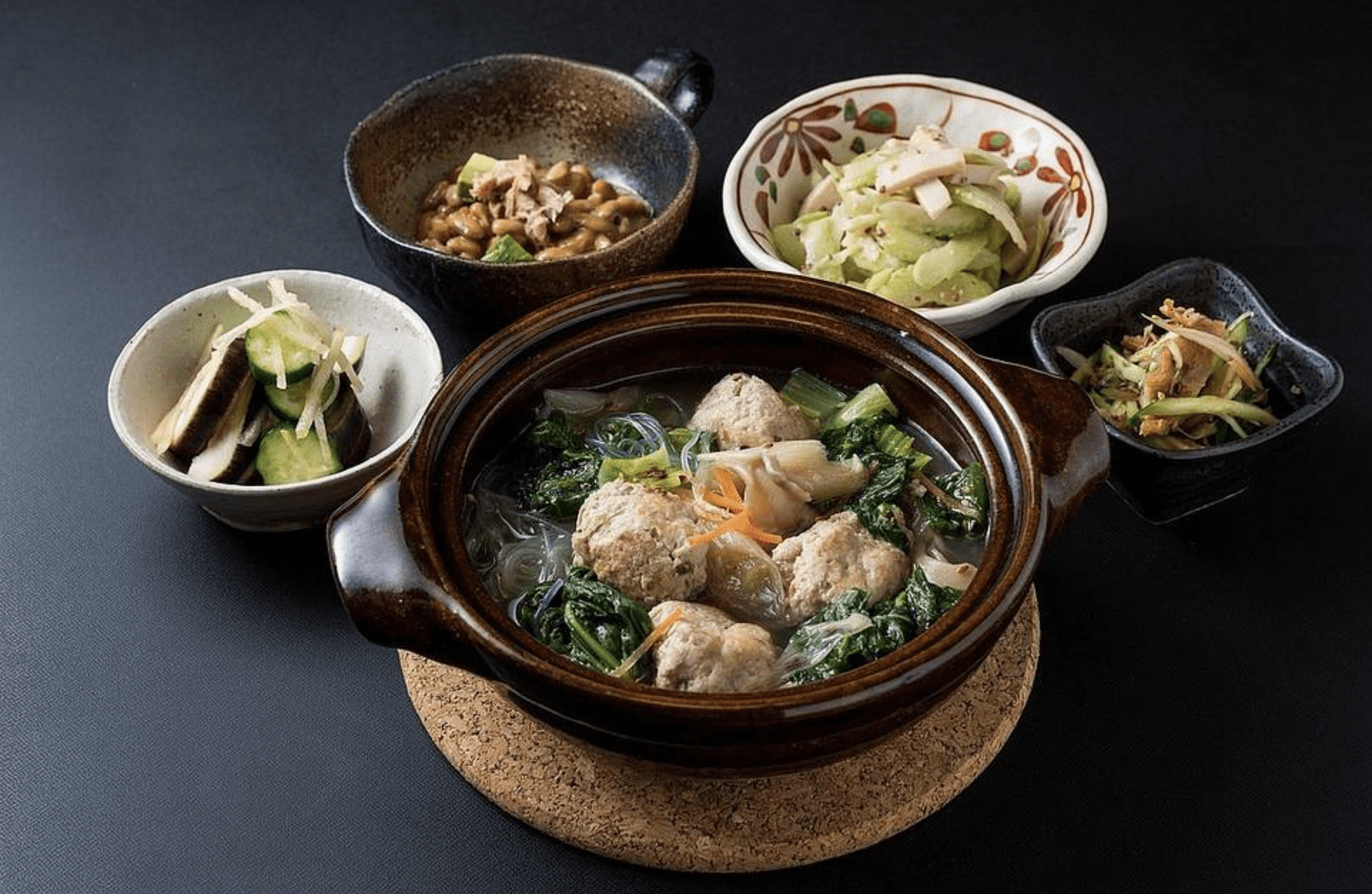
Some examples of probiotics include fermented foods, such as certain yogurts, many cheeses, pickled vegetables, apple cider vinegar, fermented teas and sauerkraut. Probiotic supplements also are available in pill or powder form.
Prebiotics: Feeding probiotics
Prebiotics are the food for probiotics. They help feed the probiotics through fermentation and metabolization, which are beneficial to the gut. These microorganisms contribute to a variety of processes, including cell energy, immune function, hormone regulation, anti-inflammatory responses and bowel management.
Research indicates that high prebiotic consumption may enhance our immune system, help regulate blood sugar levels, reduce the risk of colorectal cancer and increase calcium absorption. When good bacteria (probiotics) are fed an abundance of healthful food (prebiotics), our bodies will be healthier.
Prebiotics are found in foods that contain:
- Dietary fibers, which the body doesn’t fully digest.
- Resistant starches, which are a form of carbohydrate that isn’t digested in the small intestine. Instead, it ferments in the large intestine.
The most common prebiotics are inulin, oligosaccharides and pectin, which are found in fibrous foods. Foods containing prebiotics include most fruits and vegetables — especially green bananas, asparagus and onions — as well as garlic, nuts, seeds, oats, barley, potatoes, and legumes such as soybeans, dried beans, peas and lentils.
Adding probiotics and prebiotics to your diet
Food composition changes with cooking, so to get the most benefit from prebiotics and probiotics, it’s important to pay attention to cooking methods. For example, boiling potatoes is better than baking them. When potatoes are boiled and then chilled, they develop a white starchy film, which is the most beneficial part. Serving beans and legumes hot increases their starch content, which is good for your gut.
Eating most fruits and vegetables while they are fresh and raw will provide healthful prebiotics.
Researchers suggest gradually introducing these foods into your diet. Adding a lot of new foods containing prebiotics and probiotics may produce gas, cause bloating and lead to gut discomfort.
Anne Harguth, Nutrition, Mayo Clinic Health System, Waseca, Minnesota